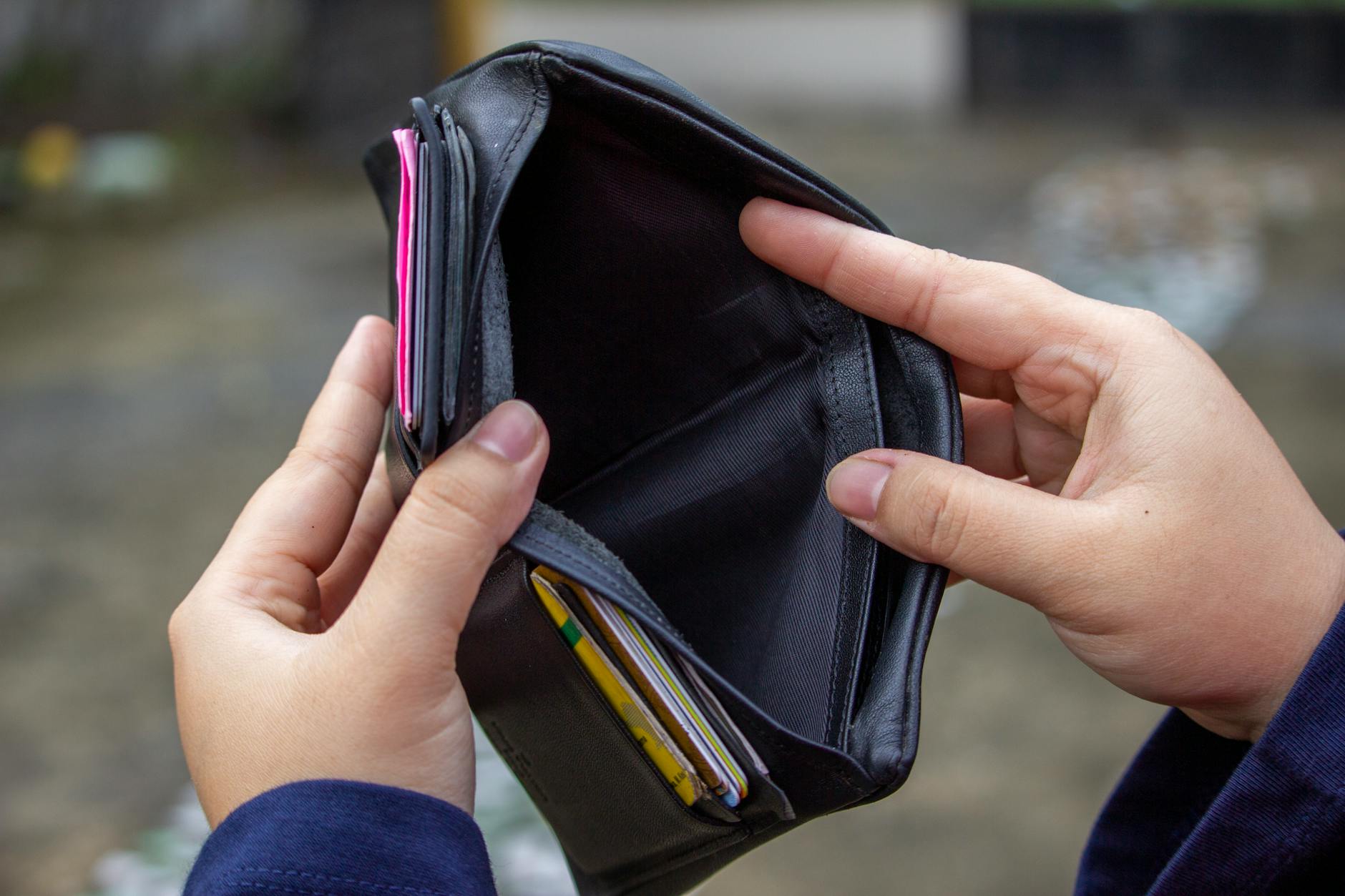
Being ripped off can make your stomach turn
Two travel trends that have exploded in recent years are cooking classes and street food tours. Both showcase local and regional cuisine, but on very different platforms. You can book them directly, through travel agents, or via tour aggregators to create a more memorable vacation. Cruises and escorted tours can offer these as optional excursions.
These trends introduce travelers to historical and unique cultural experiences through food. Being unaware of expectations can leave tourists vulnerable: overcharged, disappointed, even scammed. Educating yourself before committing a significant amount of money can help you avoid regret.
Cooking Classes: What to Expect
A proper cooking class should be hands-on. You’ll actively prepare dishes at individual stations under the guidance of an instructor. Once the meal is ready, participants typically sit down together to enjoy what they’ve cooked. Instructors may be professional chefs or experienced home cooks.
A more intimate variation takes place in a private home. You’re a dinner guest while the host prepares a meal from scratch. You might simply observe or actively participate, depending on the format. This niche experience isn’t as widely advertised.
Street Food Tours
Similar to pub crawls, street food tours revolve around food. Participants meet at a designated spot and follow a guide on foot to various street vendors, local haunts, and small cafés. Meals are rarely included unless specified.
None of these experiences are cheap. Before handing over your money, make sure you know exactly what you’re paying for. Most travel food activities are non-refundable. Refunds—when offered at all—are heavily restricted and penalized. Getting your money back is an uphill battle. Regardless of how shoddy the class was or not accurately described, you’re a tourist in a foreign country. Good luck trying to get your money back.
A Cautionary Tale
Once, on a business trip with travel professionals, we were offered an “authentic, hands-on cooking class” at €150 a pop. The description promised:
“Prepare your very own, authentic, handmade, hands-on dinner with an experienced home cook. Everything prepared from scratch using fresh, local ingredients”
I declined. Later, at dinner, I sat listening to heated exchanges among my colleagues. “What’d I miss?” I asked a friend seated next to me. “Marcola, you wouldn’t believe it,” he began. “That authentic cooking class was an authentic rip off.” He went on to explain,
“The “home cook” arrived 30 minutes late carrying bags of groceries. She proceeded to open packages of frozen dough, boxed pasta, and canned vegetables, dumping them into pots with no explanation. She told the group that cooking from scratch takes too much time and that this was what locals make when they’re in a hurry. One chosen participant stirred a pot and another tasted the food. That was it, the whole thing was over. Marcola, there were thirty of us, do the math. They made a killing just having us sit there. It turns my stomach thinking about it,” he said adjusting his baseball cap.
That single “class” had generated €4,500 just for having people watch. I felt terrible for them, yet, I was hardly surprised. Even travel agents get taken advantage of.
Cooking Demos vs. Cooking Classes
Tour operators sometimes blur the line between cooking classes (hands-on) and demos (observation only). Descriptions can be vague or misleading and often avoid the word “demonstration.” Always clarify what you’re actually signing up for.
While you can’t eliminate every risk, here are practical steps to protect yourself:
Key Tips Before Booking
Read Descriptions Carefully
Review all details thoroughly. Ask specific questions, if anything is unclear. If responses are evasive or don’t match your expectations, consider it a red flag and walk away.
Scrutinize Reviews
Reviews can be an excellent resource for gathering information. Don’t rely on star ratings alone; they tell you nothing. Look for detailed, contextual feedback rather than vague comments. Distinguishing a well written review from a poor one, is critical in getting useful information. A good review will give details or highlight aspects of their involvement. Check out the following examples.
Non-Informative Reviews:
- “Food was gross.”
- “The woman had a bad accent.”
- “Those cinnamon things were delicious.”
Beneficial Reviews:
- “Some dishes were hit or miss. I loved the coconut rice, but puff pastry was challenging for beginners. The instructor was patient and provided extra guidance.”
- “Despite the translator’s heavy accent, she was friendly and explained the cultural significance of each dish in detail.”
- “The description said we’d make traditional margherita pizza from scratch. Instead we received frozen dough, jarred sauce, and pre-shredded cheese. They forced us to pay an additional €15 when we arrived.”
Language & Cultural Differences
Be open-minded but stay alert. Businesses abroad may not operate efficiently or are structured the way you’re used to. Compared to America, the rest of the world can seem unorganized. Don’t assume perfect English just because the company serves tourists. Keep questions simple. Be patient with cultural differences, but trust your instincts if something feels off. Some cultures come off as defensive or throwing attitude. Be understanding to a point. Trust your instincts; you’ll know the difference between a genuinely bad attitude and language or cultural variances. If you’re uneasy or feel indifferent don’t book. There are scammers who “play stupid” or feign ignorance to undermine trust by coming across as innocent or harmless.
Additional Red Flags & Advice
- Beware of identical glowing reviews from members of the same affiliation—these can indicate bias.
- Street food tour stops aren’t always chosen for quality or cleanliness. Guides may receive commissions from vendors.
- Don’t assume dietary restrictions will be accommodated. It’s your responsibility to make inquiries prior to booking. There’s no such thing as a special request. Some old man from an obscure village has no idea what the hell your food issues are; he’s just selling his wife’s hand pies for income.
- Some review platforms (including Tripadvisor) may remove critical reviews at a business’s request.
- Avoid large cash payments on site, especially if the price changes after you’ve prepaid. Use credit cards for buyer protection and keep all email confirmations. You can always file a dispute in the event of shenanigans. If more money is demanded after you’ve paid or the quoted price is different, DO NOT PAY.
- Look for signs of legitimacy: government registration, official seals, awards, or strong recommendations from reputable sources. These may help differentiate bad actors from legal businesses.
- If necessary, confirm whether or not food is included in the tour. Descriptions can read ambiguously.
- Understanding the terms and conditions (i.e., refund policy) is crucial. If all sales are final, this may be a dealbreaker for you. Ask yourself: Are you comfortable with that level of risk? Decide accordingly.
- Booking through a reputable travel agency (such as Capricorn Vacations) can provide an extra layer of protection, as agencies typically vet their suppliers.
- Consider skipping the guided tour altogether. Some of the best food experiences happen organically—wandering markets like London’s Borough Market or exploring on your own. It’s free!
This no-nonsense reference can help you examine travel food trends from an educated perspective. Recognizing red flags and staying knowledgeable about the products and services you’re interested in leads to better decision-making and a clearer understanding of the risks involved.